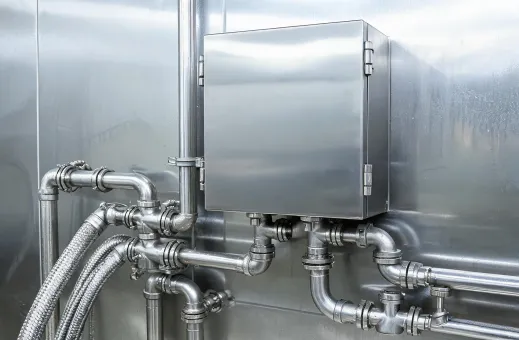
Food and beverage processing
Sanitation method, gasket condition, sloped surfaces, corrosion resistance and cleanable hardware influence material and enclosure-type decisions.

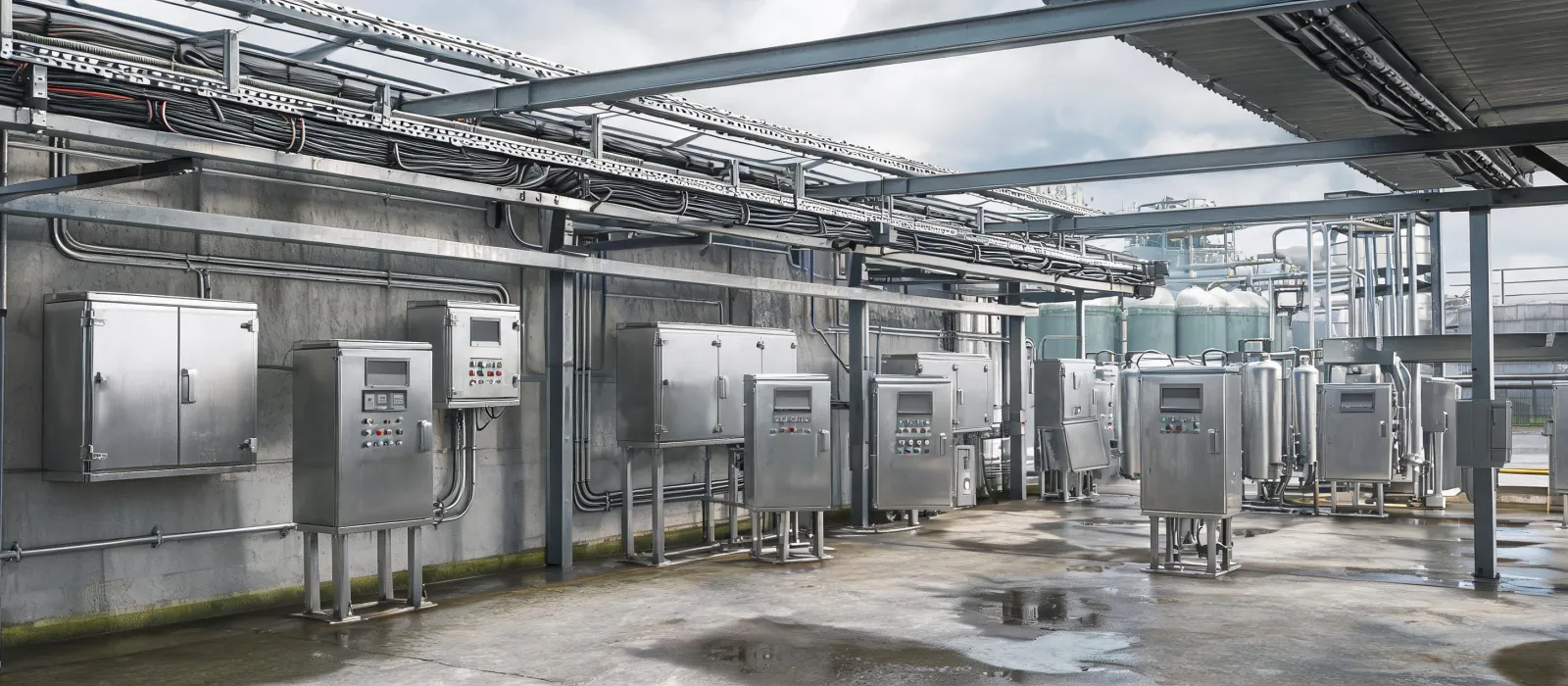
APPLICATION ENVIRONMENTS
Start with what the facility exposes the electrical assembly to: particulate, water, corrosive agents, temperature, solar load, impact, sanitation routines and service access.
Sanitation method, gasket condition, sloped surfaces, corrosion resistance and cleanable hardware influence material and enclosure-type decisions.
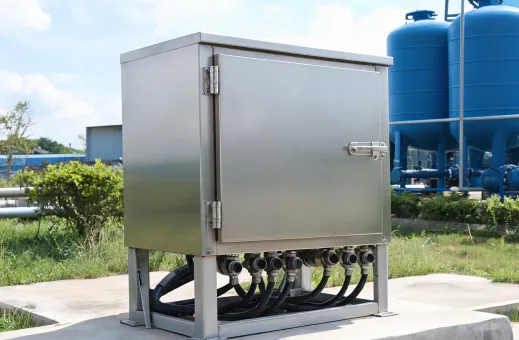
Outdoor exposure, condensation, chemical atmosphere and remote service access require a coordinated sealing and climate-control plan.
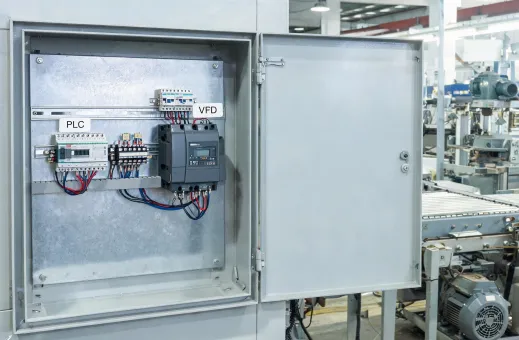
Machine footprint, door access, operator interface, cable routing and global documentation shape a repeatable cabinet platform.
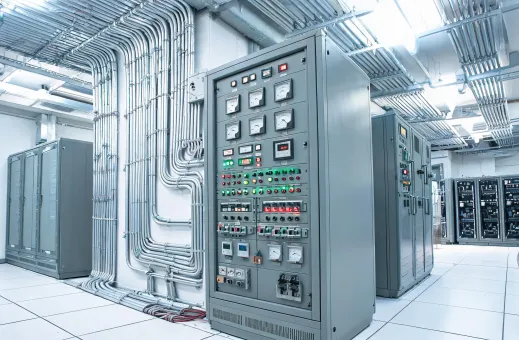
High availability makes thermal margin, maintainability, monitoring access and documented component compatibility central to selection.
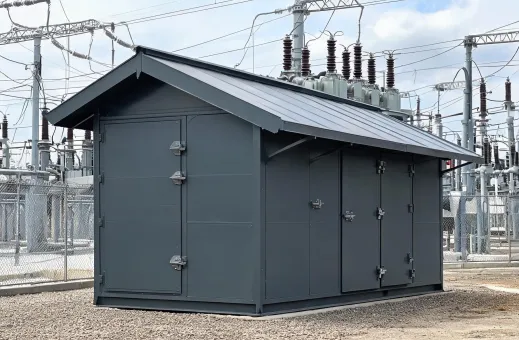
Long service intervals, weather, security, grounding and conductor space call for durable construction and explicit installation assumptions.
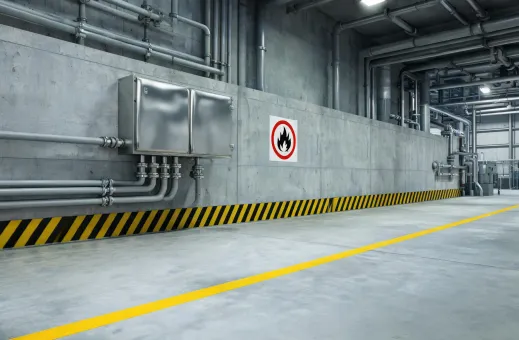
Corrosive conditions and classified-location considerations require project-specific review; an enclosure rating alone does not establish suitability.
A short application brief helps identify material, protection, thermal-management and accessory questions that a dimensional search will miss. Include cleaning practice, ambient range, internal heat, cable entry and required documentation.
Submit Application Conditions